Living Life Fully with Grace
I was 16 years old when I lost my dad. I had an amazing childhood with a father who was sick almost my entire life with him, and I never knew it. He was diagnosed with Hodgkin’s lymphoma when I was about a year old, which led his doctor to advise my parents to prepare for his death. But if you knew my father, that just wasn’t the way he rolled. He was a stubborn and determined man. And as I learned many years later, he lived by a mantra: to live his life and not die his death.
Losing him so young, having been shielded from his illness for so long, left its mark. I’ve always had a really hard time when people around me are sick or dying. Maybe that’s also why I never felt his presence in the cemetery. My dad lived by his mantra, and to me, he wasn't among the gravestones. My mom would always want to visit him on the anniversary of his death and at the Jewish New Year. I would begrudgingly go, but in recent years, my mom respected that this was not my place to honor his life, and I stopped going.
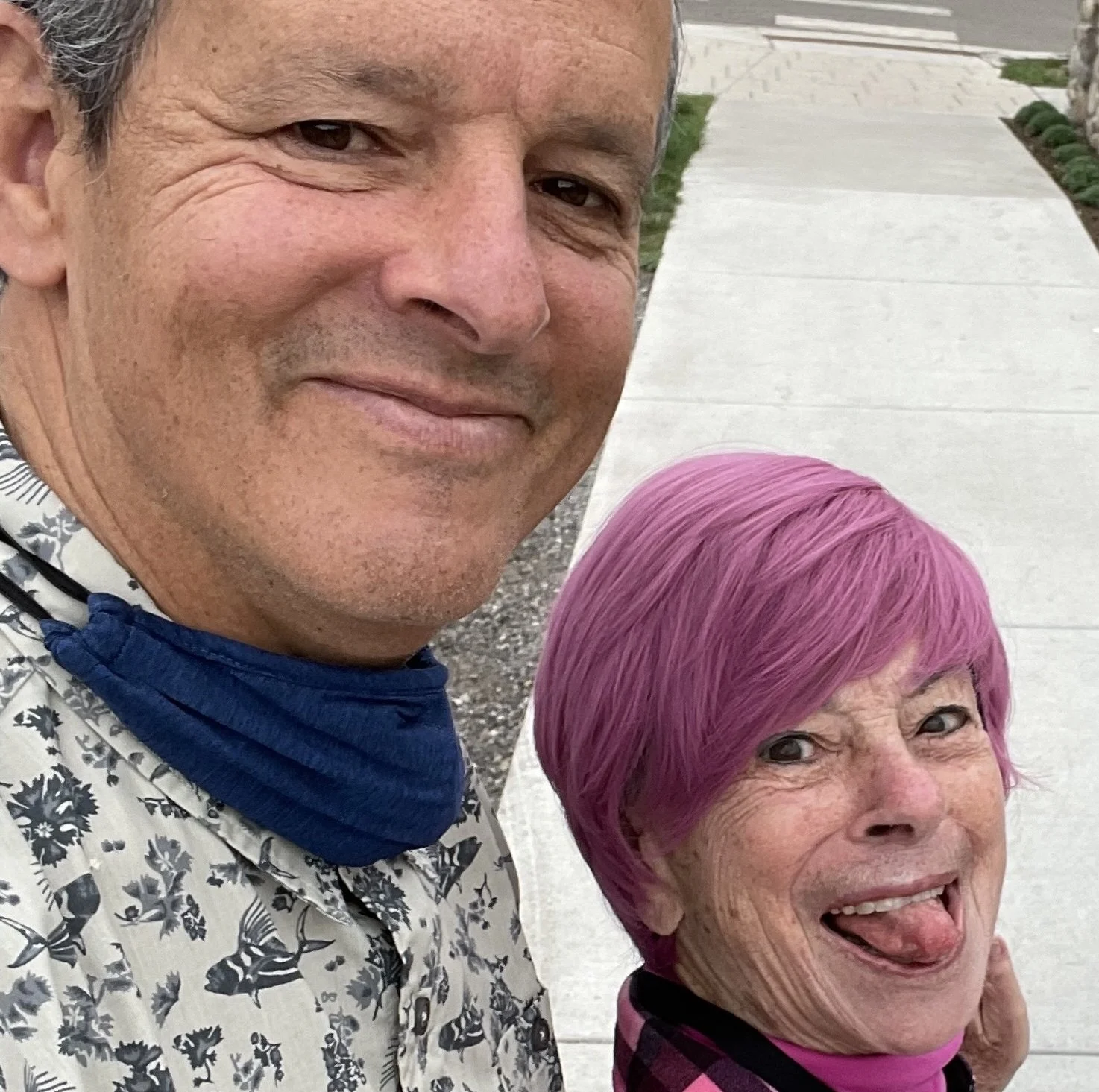
My mom was diagnosed with stage 4 lung cancer in 2017. The prognosis was not good, and chemotherapy was brutal to her health. When she got sick, she asked my brother and me to use CaringBridge to update family and friends. She explained that she didn’t want every conversation to be about her illness and how she was feeling. She did not want to be defined by her disease.
One day, while we were driving to Dana-Farber in Boston, she told my brother and me that she was not going to take the chemotherapy that day. She was going to talk to the doctor about palliative care to assure that she could live out whatever time she had left according to the mantra she and my dad had shared. I argued with her in the car that she was getting ahead of herself—that there might be other treatments available with fewer side effects. I could tell she wasn’t listening … and she probably thought I wasn’t listening to her either.
Of course, that doctor’s visit went totally different than any of us anticipated. She had a rare genetic mutation that gave her the chance to live far longer than we thought possible. Miraculously, Mom’s cancer responded as well as we could have hoped to the targeted treatment. It’s been almost ten years since her diagnosis, and while the side effects were annoying, Mom almost never complained.
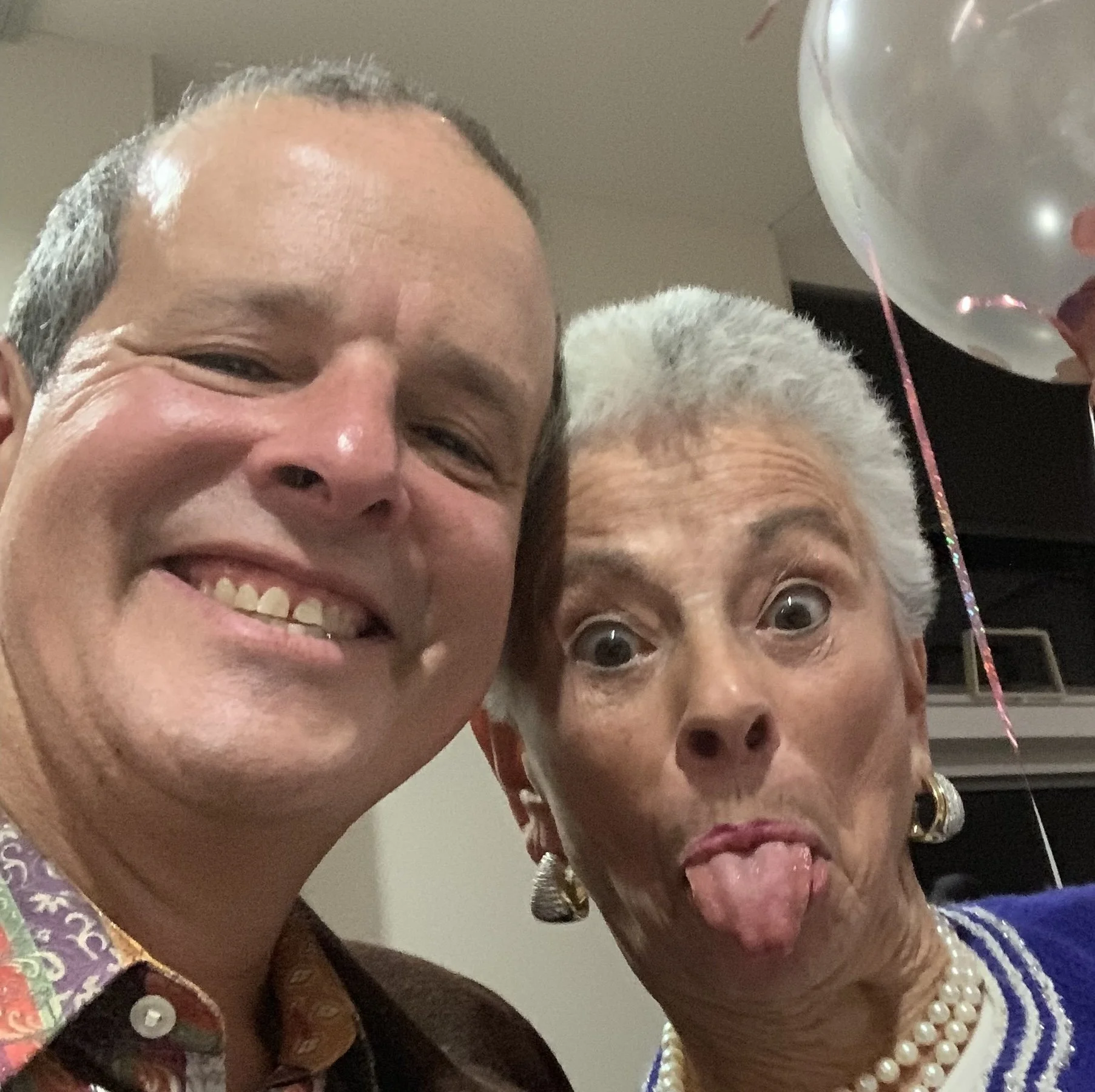
As the years went by and Mom got older, her body started showing normal signs of aging with lots of aches, pains, and maladies. At times, it was too much for her to handle, so I offered to step in and help manage and integrate her care across her many doctors. This job turned out to be much harder than I imagined. While I was able to help her communicate more clearly with her doctors—and make sure she understood and remembered what she heard—I struggled to listen carefully to what she was experiencing and what she actually wanted. Without realizing it, my old anxiety took over, and I tried to manage and control everything.
Recently, the topic has been pain and weakness in her legs. I’m petrified that Mom will have a catastrophic fall that might lead to her death, as I’ve seen happen with too many of my friends’ parents. She had received PT for vertigo and balance, so I urged her to see an orthopedic doctor who could diagnose the cause and prescribe a long-term PT routine to keep her mobile.
When it came time to act on it, she told me flat-out that she wasn’t willing to do it. She told me she wasn’t disciplined and wouldn’t maintain a daily routine of exercises. I responded with frustration and anger - feeling inside that her response was a cop-out and felt she was leaving the opportunity for better quality of life on the table. I pressed—as I often did—until she told me she needed to get off the phone.
When we regrouped a bit later, she tried to explain herself through her tears. She expressed her immense gratitude for the support she felt from me, but said this was simply not a problem she was willing to commit to solving. She did not want to spend time every day working on her body—she wanted to use that time, instead, to focus on the people she loved and play cards with her friends. She fully knew the consequences.
Sitting with my thoughts this morning, the connection finally hit me. It was just like that drive to Dana-Farber years ago: she refused to be identified by a condition or spend her remaining days as a patient.
I’ve learned from my Mom is that her quality of life is hers to determine. And when I step back, I am inspired by her focus on family and friends as her clear priority. She treasures the calls and visits from her great-grandbabys and grandchildren; she is committed to dance at all of her grandchildren’s weddings and other family celebrations; she is constantly in touch with her nieces, nephews, and cousins to be part of their lives; she checks in on her friends constantly to make sure they are OK - and that they feel her love; she is the self-appointed welcoming committee for new residents at Laurelmeade; and she plays cards in-person and virtually every day. She lives a full life … her way! And she is crystal clear that she’s made conscious choices about what she prioritizes - and what she won’t do - to preserve the quality of life that is so important to her.
I’m truly amazed at her ability to compartmentalize her experience with clear focus on the positives - and a healthy dose of Strategic Denial. I hope I can emulate the role model she have set for me to honor my values and live my life with similar intention.
Lnk